
About this guide Who wrote it, and when
Tipping, vaccinations, visas, currency, what to pack and the local climate and power — the practical questions every traveller asks before a Tanzania safari, answered straight.
Is tipping expected?
n
Tipping is common practice in Tanzania to show appreciation for your driver and guides. While completely at your discretion, the recommended guideline is $15 per client per day. This should only be presented after your safari is finished.
nn
What vaccinations are advised?
n
For health requirements, the CDC and WHO recommend considering vaccines for Hepatitis A, Hepatitis B, and Typhoid, alongside routine MMR and TDP immunizations. Rabies and yellow fever vaccines could also be considered depending on your specific activities. Proof of a yellow fever vaccination is strictly mandatory, but only if you are arriving from an endemic country or have a flight connection at one lasting 12 hours or more. As of January 2023, COVID-19 limitations have been lifted: vaccines/PCR tests are no longer required for entry.
n
You are strongly advised to take anti-malaria tablets, use mosquito nets, and bring insect repellent and sunscreen. You should also secure comprehensive travel insurance and consult your GP/clinic travel nurse.
nn
Passport and visa requirements?
n
All visitors must possess a return or onward ticket and a valid passport. Your passport must have an expiry date at least 6 months after arrival date and contain at least one blank page. While tourist visas can usually be purchased on arrival, it is highly recommended to buy them in advance online at visa.immigration.go.tz — this will save significant time on arrival.
nn
Paying for things?
n
Official currency is the Tanzanian Shilling. You can bring up to the equivalent of USD 10,000 in foreign currency, but any amount above this must be declared upon arrival or departure. Foreign currency can be exchanged at commercial banks, authorized dealers, or airport and town bureaux de change. Visa and MasterCard are widely accepted in most hotels, lodges, and tourist areas, and can be used to withdraw cash from ATMs in major towns. However, American Express is not widely accepted, even by major hotels.
nn
What to wear and pack?
n
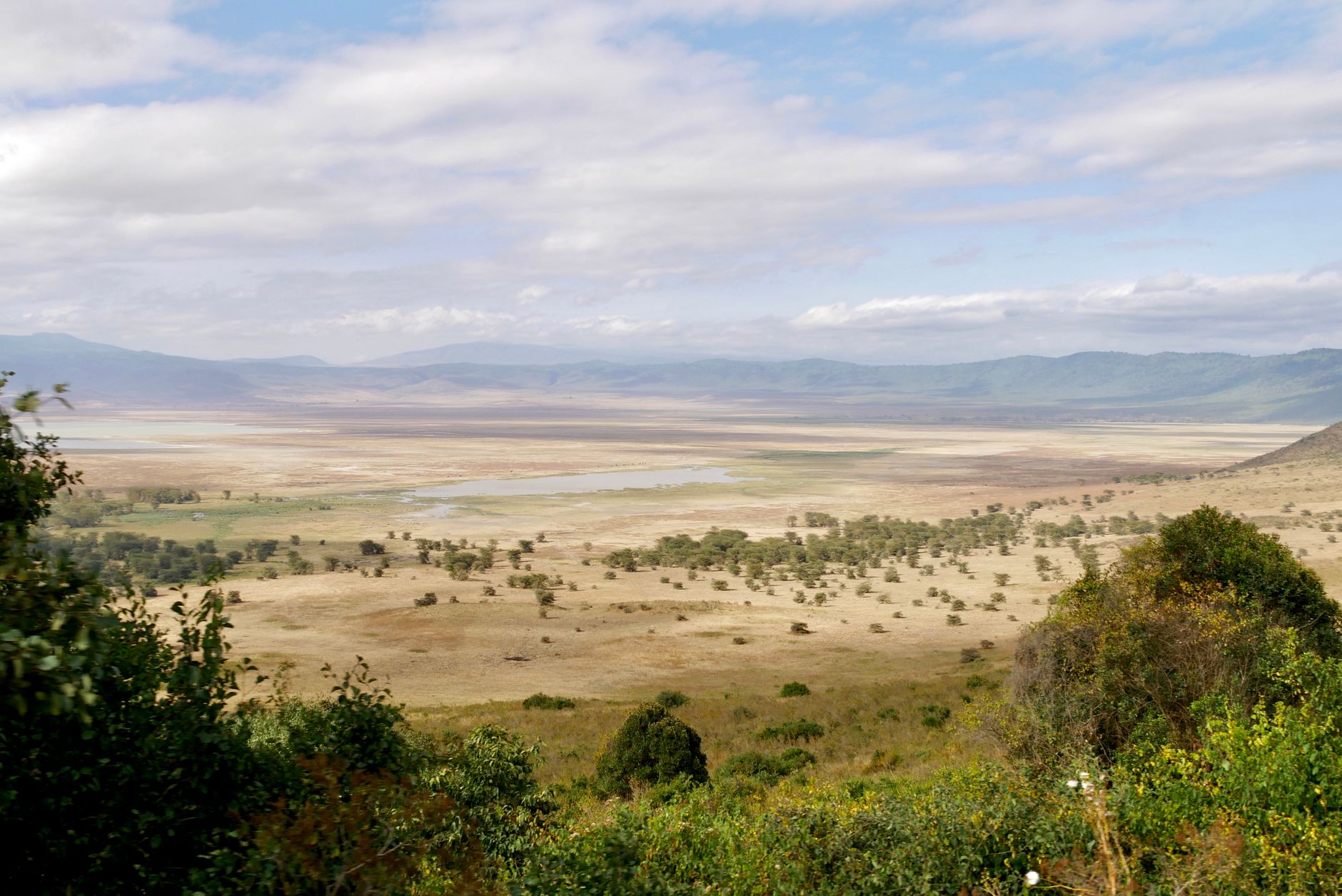
For packing and luggage, you should use light, soft-sided bags because safari vehicles or small aircraft have limited space; depending on group size, bulky suitcases may overload vehicles and might not be accommodated. Clothing should consist of light tropical garments like cotton shorts, shirts, and skirts.
n
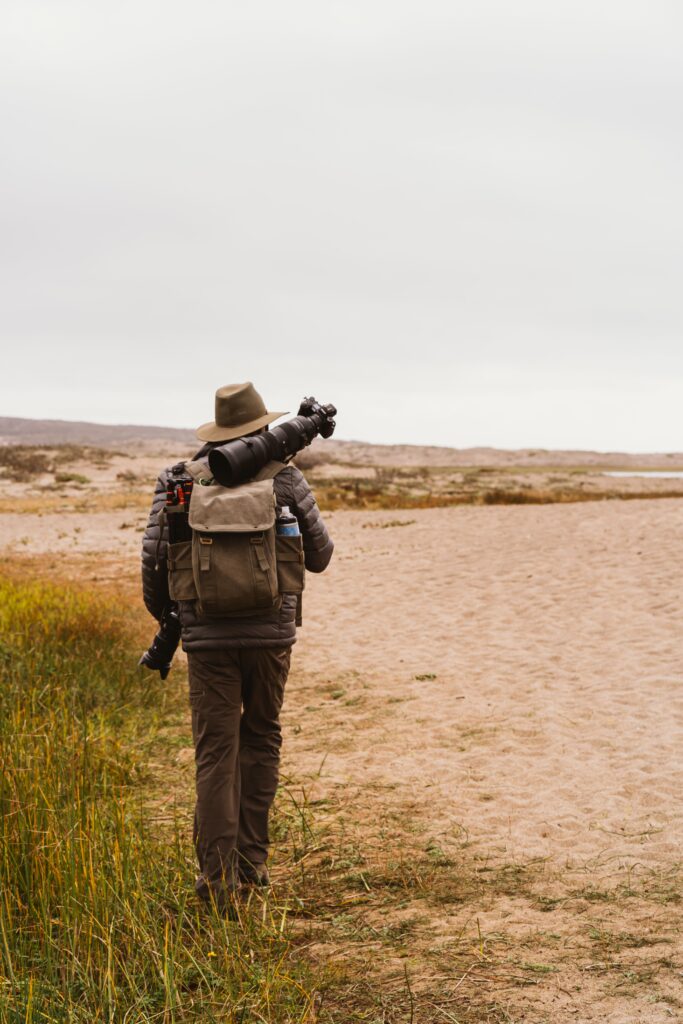
On safari, you should wear quiet, neutral colours like khaki to avoid distracting the wild animals, and bring comfortable walking shoes. Because higher altitude areas like Arusha, Ngorongoro Crater, and Mount Kilimanjaro sometimes get cooler, you will need some warm clothing for evenings and early mornings. If visiting Zanzibar, you should dress modestly; swimsuits and revealing clothing should not be worn outside hotels, beaches, and resorts.
nn
What is the climate like?
n
Tanzania features a mostly warm, tropical climate. The northern highlands are cooler between June and September, while the warmest period falls between October and February. The region usually experiences short rains from November to January and longer rains March to May.
nn
What about electrical power?
n
The electrical system throughout Tanzania utilizes UK standard three-pin connections at 215–230 Volts/50 Cycles AC.
Keep reading Season, places & related guides



Before you travel Emergency numbers Worth saving to your phone before you travel.
Emergency numbers
Worth saving to your phone before you travel.
- Chanua Africa Safaris (24/7 on safari) +255 702 345 991
- Tanzania Police (emergency) 112
- Ambulance 115
- AMREF Flying Doctors (air evacuation) +255 683 116 000