
Mount Kilimanjaro is Africa’s highest peak and the world’s tallest free-standing mountain, rising 5,895 metres above the East African plains. While it is highly accessible, climbers must prepare for extreme mountain conditions and bring proper equipment.
Planning your climb requires strategic timing and routing. The clearest and warmest weather occurs from December to February, while July to September offers cold but dry conditions. Trekkers can choose from six main routes or opt for shorter activities like Shira plateau hikes, trout fishing, and visiting Chala crater lake. Accommodation options range from mountain huts and campsites on the routes to luxury hotels in nearby Marangu and Moshi.
Safety is critical for a successful summit. You should allow a minimum of five nights on the mountain to acclimatise properly and prevent altitude sickness. Choosing a route that matches your group’s fitness level and reviewing all safety advice before departing will maximise your chances of reaching the top.
Read on More about this place
The roof of Africa
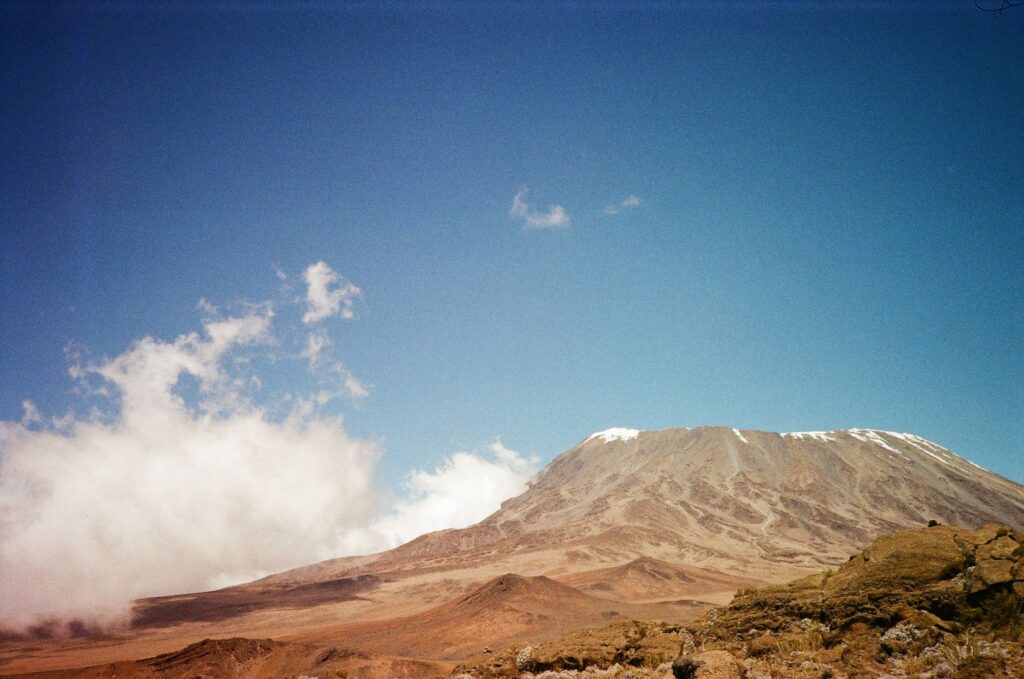
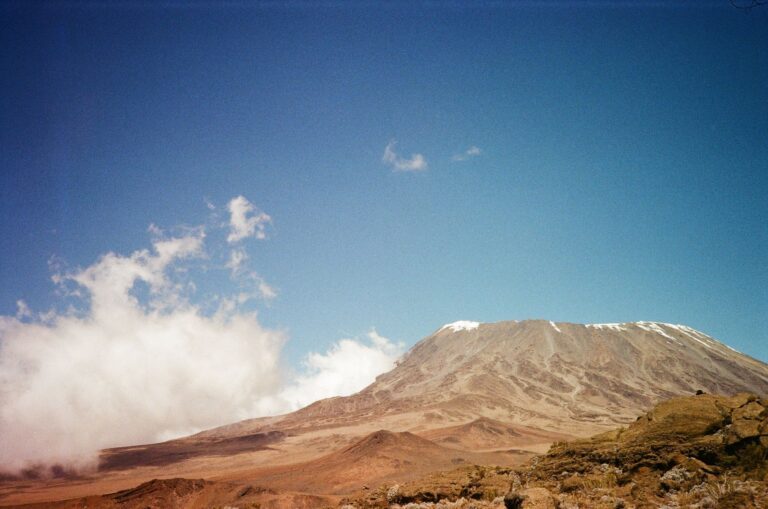
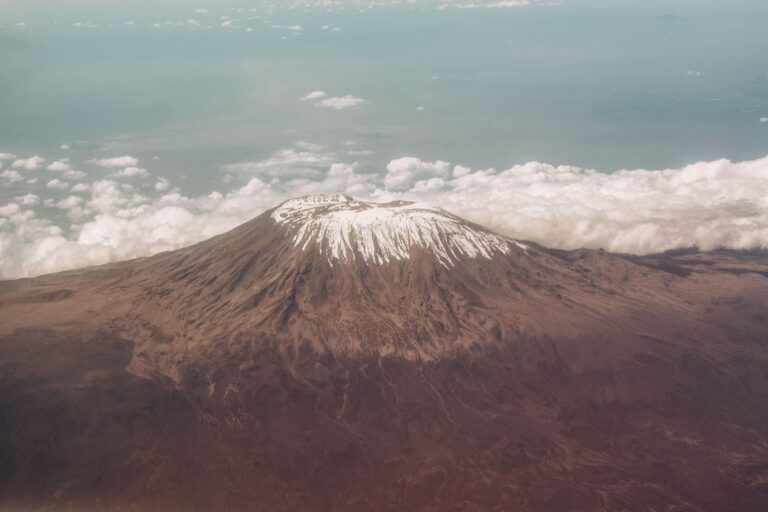
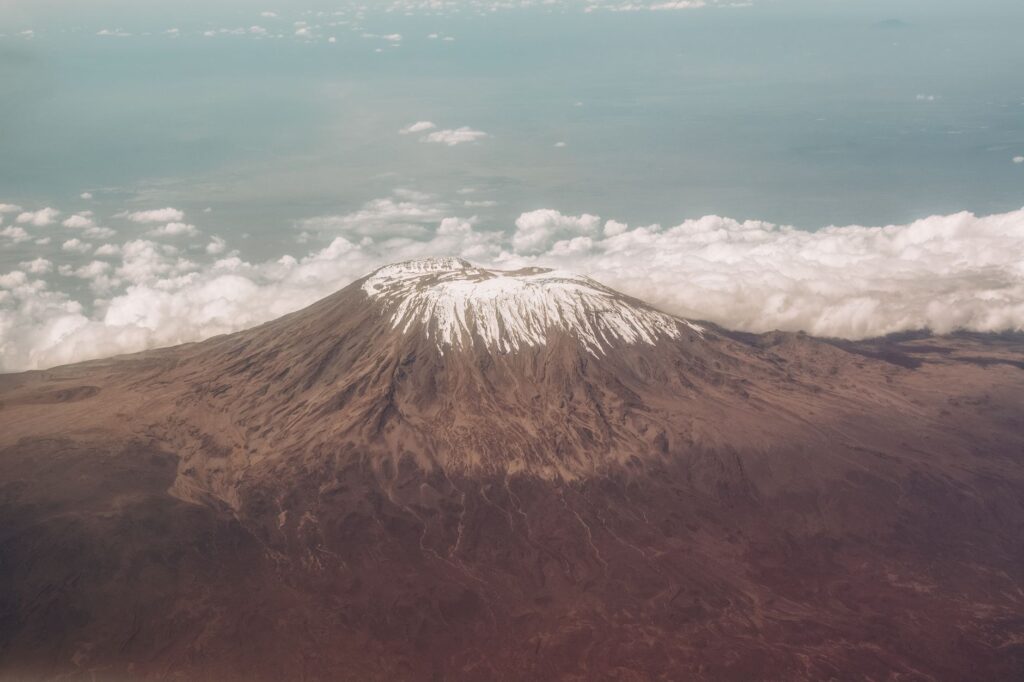
Kilimanjaro rises to 5,895 metres at Uhuru Peak — the highest point on the African continent and, because it stands alone rather than as part of a mountain range, the tallest free-standing mountain on earth. It dominates the skyline above Moshi and is visible, cloud cover permitting, from as far as Arusha National Park to the west. Unlike the technical peaks of the Alps or Andes, Kilimanjaro requires no climbing equipment or mountaineering experience to reach the summit — it is, technically, a very long, very high-altitude walk — which is exactly why it draws climbers of such varied fitness and experience every year, and why altitude sickness, not technical difficulty, is what actually turns people back.

Five ecological zones on one mountain
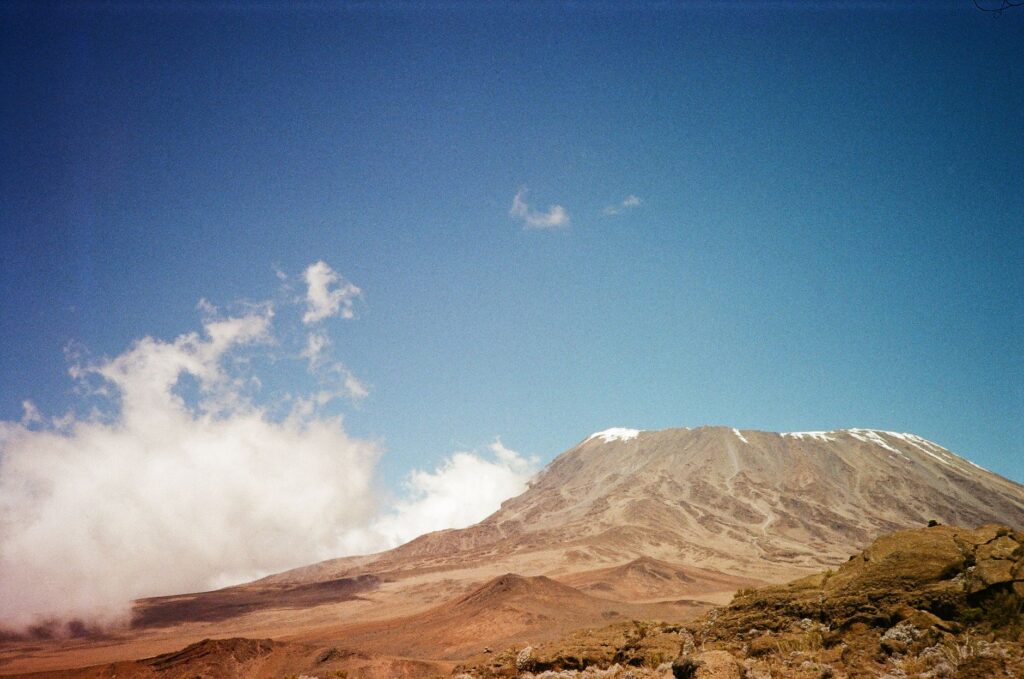
Part of what makes the climb remarkable is the sheer range of environment it passes through. Cultivated farmland and Chagga villages give way to dense montane rainforest, alive with blue and colobus monkeys and turacos; above that, moorland dotted with giant groundsel and lobelia stretches toward an alpine desert of bare volcanic scree; and finally, above around 5,000 metres, an arctic summit zone of ice and retreating glacier. Climbers typically pass through all five zones in less than a week — a compressed journey from tropical to polar climate that is one of the mountain’s genuine draws, quite apart from the summit itself.
Highest mountain in Africa
Choosing a route
Several established routes reach the crater rim. Marangu, the only route with hut accommodation rather than tents, is the shortest and most direct but also gives the least time to acclimatise. Machame, nicknamed the “Whiskey Route,” is longer, more scenic and generally considered to offer a better summit success rate for its added days. Lemosho and Rongai approach from the west and north respectively, seeing fewer climbers and offering a quieter, more gradual ascent. In every case, more days on the mountain means better acclimatisation and a meaningfully higher chance of a comfortable summit — the single biggest factor in whether a Kilimanjaro climb succeeds.
If you are not climbing
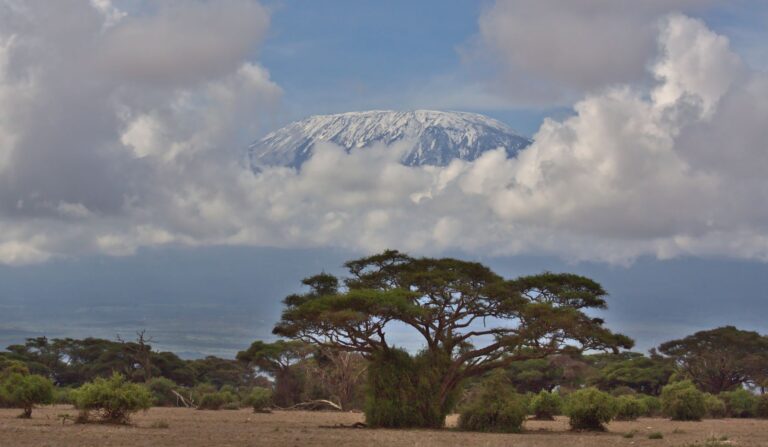
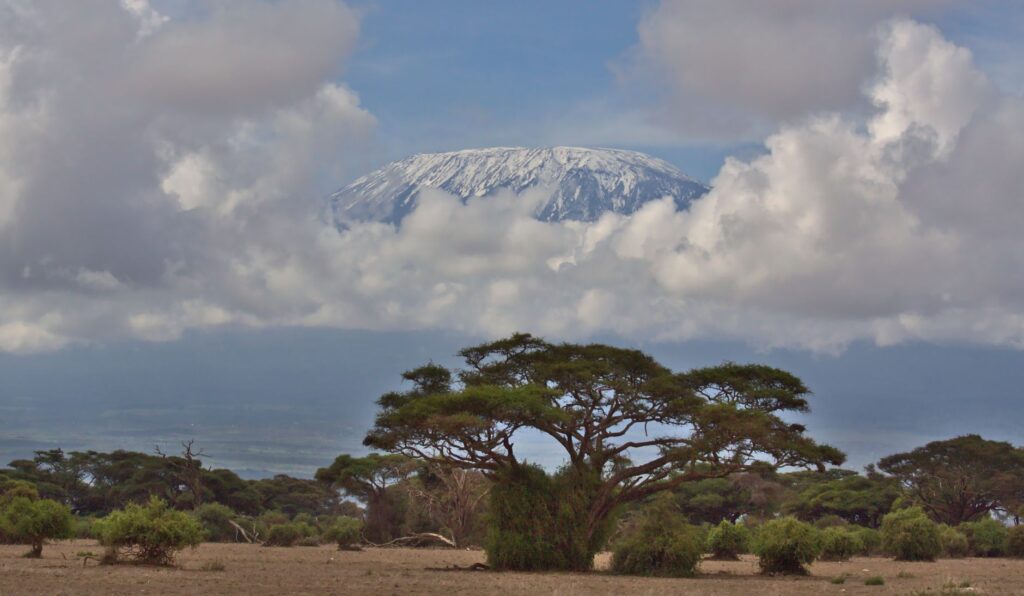
A full ascent is not required to experience the mountain. Day hikes onto the lower rainforest zone from the Marangu or Machame gate are possible for anyone based in Moshi, and for travellers focused on the Northern Circuit safari parks rather than the summit, Kilimanjaro is best appreciated as a backdrop — visible from Amboseli across the Kenyan border and, on the clearest days, from parts of Arusha National Park itself.
At a glance Facts, season & highlights The essentials, and what makes this place.
Tanzania
Africa's highest peak and the world's tallest free-standing mountain.
What it looks like
Highlights, up close
Where it is
- Best time to visit January to mid-March and June to October
- Climate Temperature drops roughly 1°C per 200 m of ascent — tropical heat at the gate, sub-zero and windy at the summit.
In pictures Photo gallery
A closer look