
The itinerary
- Tarangire National Park
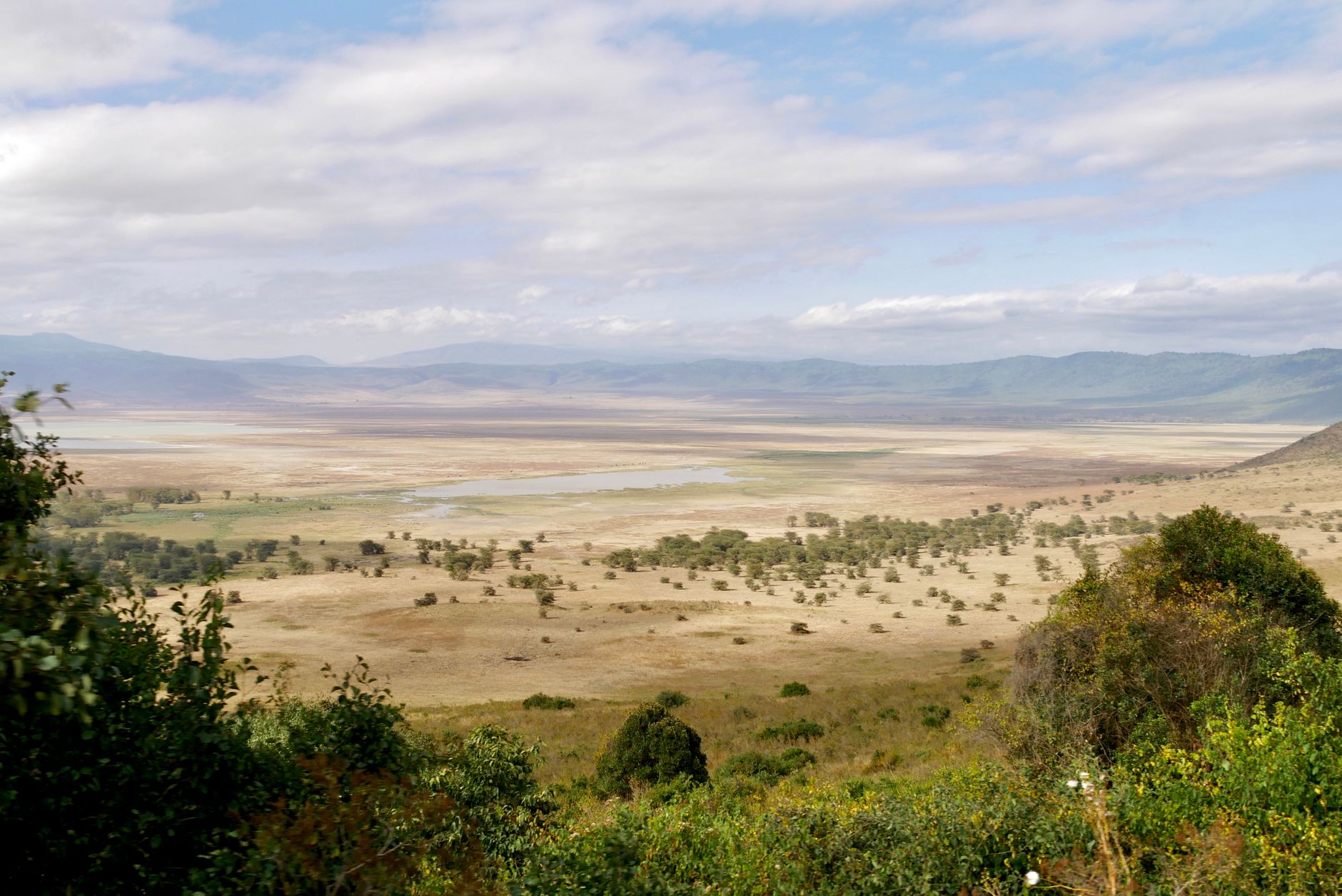
- Ngorongoro Crater
-
Pickup and transfer to your first-night hotel for dinner and overnight. A briefing will be held at the hotel.
-
After breakfast, you will be picked up and driven to Tarangire National Park for a full-day game drive with your picnic lunch boxes. Dinner and overnight at a lodge or camp in Tarangire.
-
A full-day game drive with picnic lunch boxes at Tarangire National Park, then dinner and overnight at a camp or lodge in Karatu.
-
After breakfast, depart from the lodge or camp with picnic lunch boxes to Ngorongoro, straight to the crater for a game drive. Dinner and overnight at a lodge or camp in Karatu.
-
After breakfast, drive from your lodge or camp in Karatu to Arusha for your flight home or other onward travel with Chanua.
This safari package can be reserved as it is, or you can ask us to modify it to fulfil your interests and dreams. Depending on the time of your onward travel, we can arrange cultural activities en route and, if necessary, an overnight stay, as extras. Or why not add on a beach holiday in beautiful Zanzibar after your safari?
At a glance Summary, facts & pricing The trip in numbers, and what it costs.
Tarangire and Ngorongoro in five unhurried days
Pricing by comfort level
Best season June-October, January-March
$1,320 per person
Best season June-October, January-March
$1,715 per person
Best season June-October, January-March
$2,700 per person
Per person, land only — international flights not included. Final pricing depends on your dates and group size; ask us and we will quote exactly.
Highlights Highlights, season & the route What makes this trip, when it is at its best, and where it goes.
Peak elephant season
The Tarangire River becomes the only reliable water for miles, drawing some of the largest elephant herds anywhere in Africa right along its banks.
Highlights, up close
The route
- Duration 5 days
- Best months June-October, January-March
- Vehicle 4x4 Toyota Land Cruiser with pop-up roof hatch, guaranteed window seat, and a cool-box for drinking water


From our guides Hidden gems & insider tips The small things worth knowing before you go.
Hidden gems & insider tips
Ask for the extra Tarangire day to be split between the river circuit and the Silale swamp area — the wildlife concentrates very differently between the two.
The Ngorongoro Crater floor day starts early; ask your lodge for a packed breakfast if the dining room opens after your planned departure time.
In pictures Photo gallery
The detail What's included & what's not The full list, so there are no surprises.
What's included
Included
- Airport transfers
- Park entrance fees at Tarangire & Ngorongoro
- Full board accommodation on safari
- Service of an English-speaking driver/guide (other languages by request)
- Transport in a 4WD vehicle with pop-up roof for game viewing
- Driver allowances and park fees for vehicle, driver and passengers
- Daily game drives/wildlife viewing tours
- Bottled water during game drives
Not included
- Extras at the lodges (drinks, telephone, laundry, etc.)
- International flights
- Tanzania visa
- Personal travel insurance
- Tips for porters and drivers
Before you travel What to carry, health precautions & emergency numbers Packing list, vaccinations, and who to call if you need help.
What to carry
- Neutral-coloured clothing (khaki, olive, brown) — avoid bright white, black and blue, which attract tsetse flies
- A warm layer or fleece — early-morning game drives and the Ngorongoro rim are cold even on the equator
- Wide-brimmed hat and polarised sunglasses
- High-SPF sunscreen and lip balm
- Insect repellent (DEET-based, for dusk and dawn)
- Binoculars — one pair per person makes a real difference
- A power bank and universal adapter (Tanzania uses UK-style Type G plugs)
- A soft-sided duffel bag rather than a hard suitcase, for light-aircraft and 4x4 luggage limits
- A basic personal first-aid kit and any personal medication in hand luggage
- Cash in US dollars (2013 or newer notes) for tips and small purchases
Health precautions
Malaria
Northern Tanzania is a malaria risk area. Speak to your doctor or a travel clinic about antimalarial medication well before you travel, and use insect repellent and cover up at dusk and dawn regardless.
Yellow fever certificate
Tanzania requires proof of yellow fever vaccination only if you are arriving from (or have transited more than 12 hours through) a country with risk of yellow fever transmission. If that applies to your routing, carry your International Certificate of Vaccination.
Altitude
The Ngorongoro Crater rim sits above 2,200 m and Kilimanjaro/Meru climbs go much higher — mild headaches or breathlessness are common at altitude. Drink plenty of water, ascend gradually where you can, and tell your guide if you feel unwell.
Sun and hydration
The equatorial sun is stronger than it feels in the open-sided safari vehicles. Drink more water than you think you need, and reapply sunscreen through the day.
Routine vaccinations and travel insurance
Make sure routine vaccinations are up to date, and take out travel insurance that explicitly covers emergency medical evacuation — the parks are remote, and evacuation by light aircraft is the standard response to a serious medical issue.
General guidance only, not personal medical advice — please confirm requirements and recommendations with your own doctor or a travel clinic before you go.
Emergency numbers
Worth saving to your phone before you travel.
- Chanua Africa Safaris (24/7 on safari) +255 702 345 991
- Tanzania Police (emergency) 112
- Ambulance 115
- AMREF Flying Doctors (air evacuation) +255 683 116 000