
The essential Serengeti safari compressed into three intense days. Perfect for travellers adding a wildlife leg to a business trip or longer journey.
The itinerary
- Serengeti National Park
-
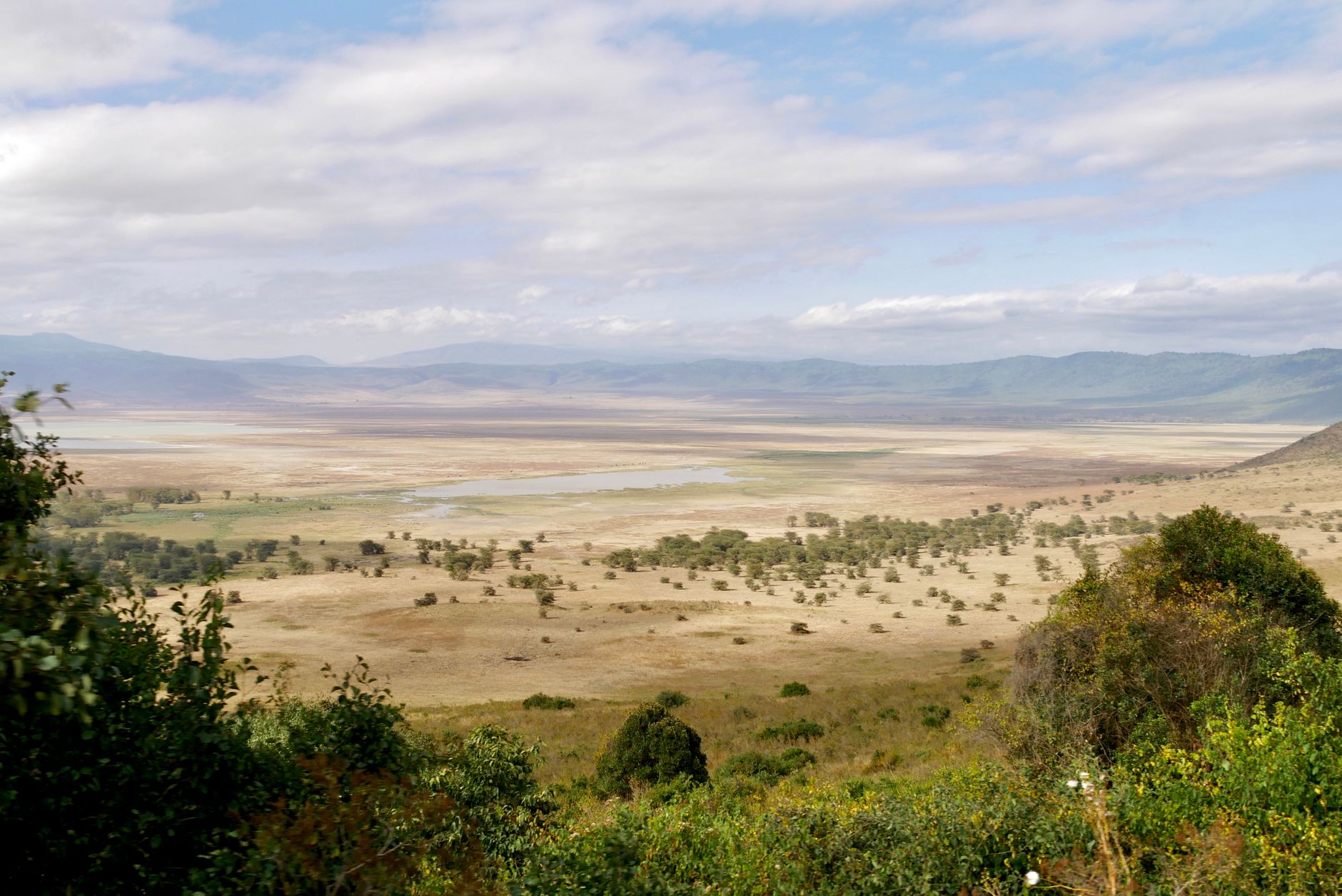
It is a long drive — roughly eight hours with stops — and it climbs through the Ngorongoro highlands before dropping onto the plains. Most people underestimate how much of the experience this day is. You cross the crater rim, look down into it, and then the country opens into short-grass plain that runs to the horizon with nothing on it but sky.
We enter through Naabi Hill Gate. The gate itself is worth the stop: a granite outcrop with a short climb to a viewpoint, and from the top you get your first proper sense of the scale of this place. The Serengeti means “endless plain” in Maa and the name is not decoration.
Afternoon game drive en route to camp in the Seronera valley — the central Serengeti, and the most reliable year-round game area in the park because the Seronera River holds water when the plains dry out.
-
Early start, because the light is good and the cats are still moving. Seronera has one of the highest lion densities in Africa, and the kopjes — those granite islands scattered across the grassland — are where they lie up. Leopard are in the riverine acacias along the watercourse; this is one of the better places in Africa to find them.
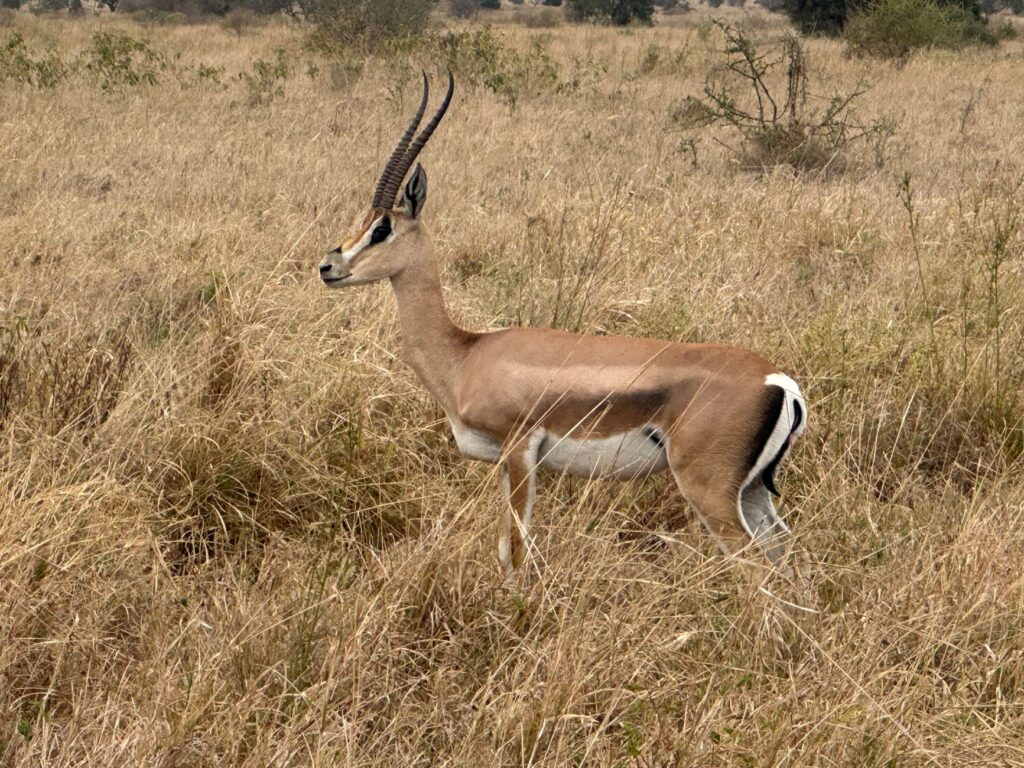
Cheetah favour the more open ground to the south-east. Elephant, buffalo, giraffe, topi, and enormous numbers of zebra and wildebeest depending on where the migration is that month.
Where the herds are depends entirely on when you come, and we will tell you honestly before you book. Roughly: December to March they are on the southern short-grass plains around Ndutu, calving. April to June they move west and north through the Western Corridor. July to October they are in the north near the Mara River. November they drift south again. Seronera sits in the middle and sees movement through much of the year.
Full-day game drive with a picnic lunch in the park.
-
A final morning drive — often the best of the trip, because you know how to look by now — then the drive back to Arusha, arriving late afternoon.
Be realistic about this trip. Two of the three days involve serious driving, and you get one full day in the park. It exists for people with limited time: a business trip with a weekend attached, or a Zanzibar holiday with three days to spare. If you have five days, the 5-Day Northern Circuit gives you far more park time for not much more money, and we would rather say so.
Flying option: You can fly one or both legs into the Seronera airstrip, which converts most of a driving day into game-viewing time. It costs more. For a three-day trip it is often the difference between a rushed trip and a good one — ask us for the current fare.
The name, and what it meant before it was a park
Serengeti comes from the Maa word siringet — roughly, the place where the land runs on forever. The Maasai were grazing these plains for more than two hundred years before Oscar Baumann became the first European to cross them in 1892.
It became a protected area because of hunting. Sport hunters came for what was arguably the greatest concentration of big game on the continent; one American party shot around fifty lions near Seronera over a single three-month camp in the 1920s. The British administration created a partial game reserve in 1921, extended it in 1929, and declared the national park in 1951.
You will be driving through Seronera, which is where that camp was.
Pricing by comfort level
Best season Year-round
$931 per person
Best season Year-round
$1,176 per person
Best season Year-round
$1,764 per person
Per person, land only — international flights not included. Final pricing depends on your dates and group size; ask us and we will quote exactly.
Heading south again
The short rains begin and the herds turn back south across the eastern and central Serengeti, retracing the loop toward next season's calving grounds.
Highlights, up close
The route
- Duration 3 days
- Best months Year-round
- Vehicle 4x4 Toyota Land Cruiser with pop-up roof hatch, guaranteed window seat, and a cool-box for drinking water
From our guides Hidden gems & insider tips The small things worth knowing before you go.
Hidden gems & insider tips
Ask about flying one leg into Seronera airstrip — on a three-day trip it can turn a wasted driving day into another game drive.
The kopjes (granite outcrops) scattered across Seronera are where lions actually lie up in the heat of the day — ask your guide to work these first if big cats are the priority.
The detail What's included & what's not The full list, so there are no surprises.
What's included
Included
- All park and conservation area entry fees
- Private 4x4 safari vehicle with English-speaking driver-guide
- Accommodation as specified (camping, lodge or luxury tier)
- All meals while on safari (full board)
- Drinking water in the vehicle
- Airport/hotel transfers in Arusha or Moshi
- Government taxes and levies
Not included
- International flights
- Tanzania visa
- Travel and medical evacuation insurance
- Tips for your driver-guide and camp/lodge staff
- Alcoholic and premium bottled drinks
- Optional activities (hot air balloon, cultural visits not listed as included)
- Personal expenses and souvenirs
Before you travel What to carry, health precautions & emergency numbers Packing list, vaccinations, and who to call if you need help.
What to carry
- Neutral-coloured clothing (khaki, olive, brown) — avoid bright white, black and blue, which attract tsetse flies
- A warm layer or fleece — early-morning game drives and the Ngorongoro rim are cold even on the equator
- Wide-brimmed hat and polarised sunglasses
- High-SPF sunscreen and lip balm
- Insect repellent (DEET-based, for dusk and dawn)
- Binoculars — one pair per person makes a real difference
- A power bank and universal adapter (Tanzania uses UK-style Type G plugs)
- A soft-sided duffel bag rather than a hard suitcase, for light-aircraft and 4x4 luggage limits
- A basic personal first-aid kit and any personal medication in hand luggage
- Cash in US dollars (2013 or newer notes) for tips and small purchases
Health precautions
Malaria
Northern Tanzania is a malaria risk area. Speak to your doctor or a travel clinic about antimalarial medication well before you travel, and use insect repellent and cover up at dusk and dawn regardless.
Yellow fever certificate
Tanzania requires proof of yellow fever vaccination only if you are arriving from (or have transited more than 12 hours through) a country with risk of yellow fever transmission. If that applies to your routing, carry your International Certificate of Vaccination.
Altitude
The Ngorongoro Crater rim sits above 2,200 m and Kilimanjaro/Meru climbs go much higher — mild headaches or breathlessness are common at altitude. Drink plenty of water, ascend gradually where you can, and tell your guide if you feel unwell.
Sun and hydration
The equatorial sun is stronger than it feels in the open-sided safari vehicles. Drink more water than you think you need, and reapply sunscreen through the day.
Routine vaccinations and travel insurance
Make sure routine vaccinations are up to date, and take out travel insurance that explicitly covers emergency medical evacuation — the parks are remote, and evacuation by light aircraft is the standard response to a serious medical issue.
General guidance only, not personal medical advice — please confirm requirements and recommendations with your own doctor or a travel clinic before you go.
Emergency numbers
Worth saving to your phone before you travel.
- Chanua Africa Safaris (24/7 on safari) +255 702 345 991
- Tanzania Police (emergency) 112
- Ambulance 115
- AMREF Flying Doctors (air evacuation) +255 683 116 000